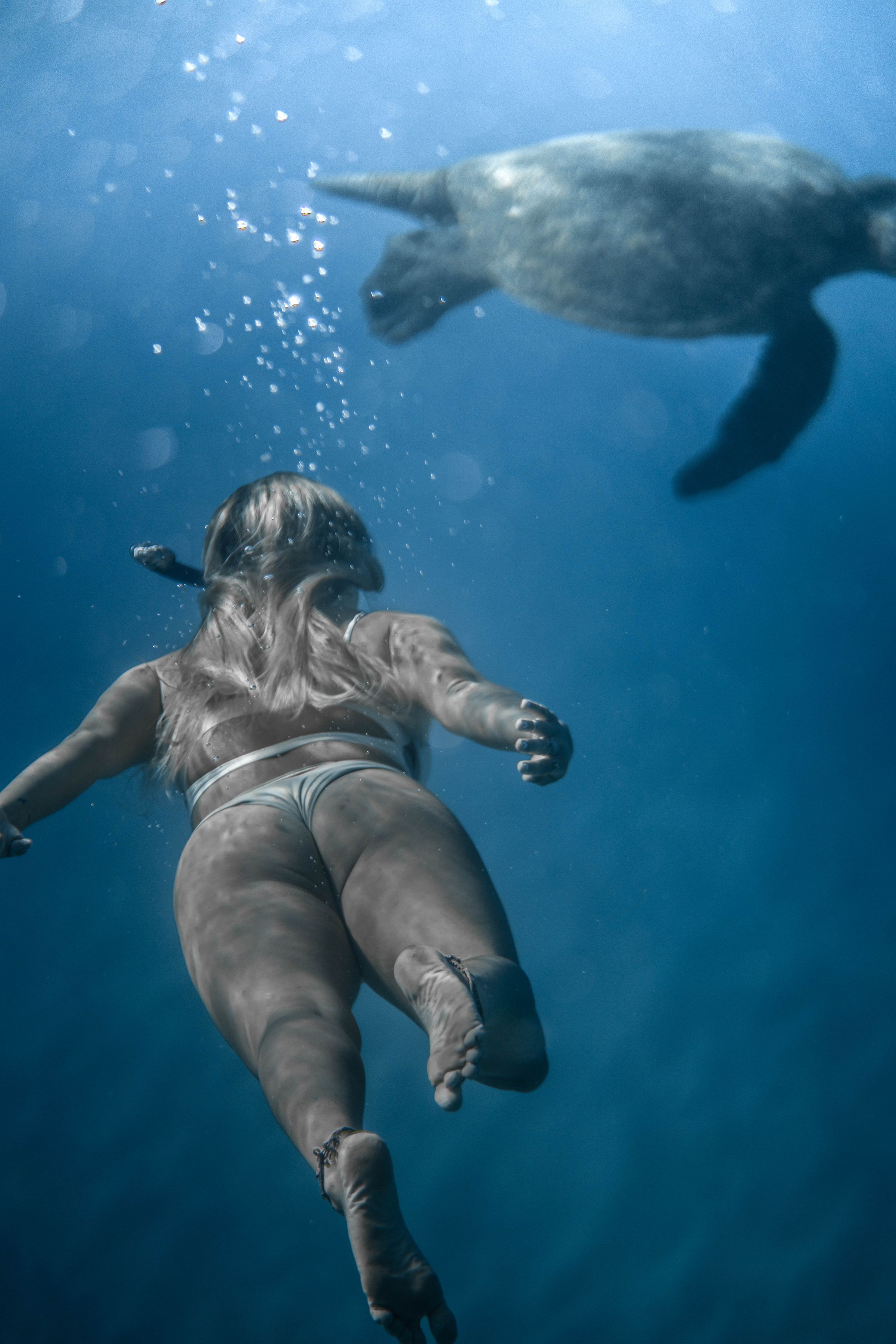
One of the best things about seeing the Virgin Islands by yacht is that the best snorkelling is often right off the back of the boat. The water is warm, clear and calm for much of the year, and the islands’ reefs, wrecks and seagrass meadows are home to turtles, rays, reef fish and the occasional nurse shark.
Here are the sites our crews love most, from easy snorkels for first-timers to classic dives.
The best snorkelling
The Caves, Norman Island
Three caves in the cliffs at the entrance to The Bight. Swim into their shady mouths and you’ll be surrounded by shoals of glittering fish. Easy and sheltered: a good first snorkel of the week.
The Indians
A cluster of four rock pinnacles a short distance from Norman Island, rising from around 15 metres to above the surface. The walls are covered in coral and sponges, with fish everywhere. Go early, before the day boats arrive, and use the national park moorings.
RMS Rhone, Salt Island
The Royal Mail steamer RMS Rhone was wrecked in a hurricane in 1867. Her stern lies shallow enough to snorkel over, with parts of the ship, her propeller and coral-covered timbers visible from the surface. The deeper sections are one of the Caribbean’s most famous dives. The site is protected as a marine park.
Monkey Point, Guana Island
A rocky point with clear water, big schools of fish and the occasional turtle, a short sail from Tortola’s charter bases. Day moorings only.
The Baths and Spring Bay, Virgin Gorda
Snorkel around the edges of the giant granite boulders, where light filters into pools full of small fish. Spring Bay, next door, is usually quieter.
Flash of Beauty, Anegada
Shallow coral heads and lots of fish, close to the beach at Loblolly Bay. Part of the reason Anegada is worth the trip.
Maho Bay and Francis Bay, St John
In the Virgin Islands National Park, the seagrass beds of Maho Bay are one of the best places in the Caribbean to swim with green turtles. They’re used to swimmers, but give them space and never touch or chase them.
Waterlemon Cay, St John
A tiny island in Leinster Bay ringed with reef. Snorkel the full circuit for rays, starfish, turtles and reef fish.
Trunk Bay, St John
Famous for its underwater snorkel trail, with plaques on the seabed describing the coral and fish. It’s popular, so arrive early.
Classic dives
Certified divers have some of the Caribbean’s best diving within a short sail:
- RMS Rhone: the bow section lies in deeper water, intact enough to swim through. One of the great wreck dives.
- Painted Walls, Dead Chest: shallow gullies covered in colourful corals and sponges.
- Wreck Alley, Cooper Island: several small wrecks deliberately sunk close together, now home to garden eels, rays and big shoals of fish.
- Blonde Rock: a pinnacle with caves and overhangs, for experienced divers in calm conditions.
- The Chimneys, Great Dog: a maze of arches and canyons full of soft corals.
How to dive on a charter
- Dive operators meet yachts. Several local dive companies will pick you up from your yacht or a nearby mooring, with all equipment, and bring you back afterwards.
- Some crews are instructors. A few crewed yachts carry dive gear and have a qualified instructor on board. If diving is important, tell us and we’ll prioritise these yachts.
- Try a dive. Non-divers can take an introductory dive with a local operator or instructor, or start a qualification course before they travel and finish it in the islands.
- Bring your card. Certified divers need their certification card and, ideally, a logbook.
- Don’t fly too soon. Leave at least 18 to 24 hours between your last dive and your flight home.
Snorkelling with children
Many of these sites suit children who are confident swimmers, especially The Caves, Maho Bay and Waterlemon Cay. A well-fitting mask, a rash vest and a short snorkel lesson from the crew make all the difference. Our guide to chartering with children has more.
Protecting the reefs
- Use the moorings at national park sites; never anchor on coral.
- Wear reef-safe sunscreen, or better still a rash vest. The US Virgin Islands have banned sunscreens containing oxybenzone, octinoxate and octocrylene.
- Don’t touch or stand on coral, and don’t feed the fish.
- Give turtles space.
Plan an underwater week
If snorkelling or diving is the highlight of the holiday for your party, tell us when you enquire. We’ll look for yachts with the right gear and crews who know the sites best. And for less-visited places above the water, see our seven quiet anchorages.
← Back to all advice